 Often marketed as a natural remedy for pain, anxiety, or even opioid withdrawal, kratom has gained traction in the United States in recent years. But despite its growing popularity, many don’t fully understand what it is or the risks it may carry.
For individuals navigating addiction recovery, or for families trying to support a loved one, having a clear, fact-based understanding of substances like kratom is essential.
What is Kratom?
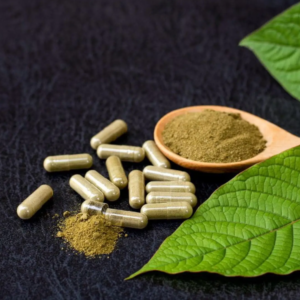
Kratom is an herbal substance derived from the leaves of a tree native to Southeast Asia called Mitragyna speciosa. Traditionally, its leaves have been chewed, brewed into tea, or consumed in powdered or capsule form.
What makes kratom unique is that its effects can vary depending on the dose. At lower amounts, individuals often report stimulant-like effects, such as increased energy and alertness. At higher doses, it can produce sedative effects, including relaxation and pain relief.
This dual nature can make kratom seem appealing, particularly to individuals looking for alternatives to other substances.
Why Do People Use Kratom?
People turn to kratom for a variety of reasons. Some use it recreationally for its mood-altering effects, while others seek it out for more specific purposes, such as managing pain or easing symptoms of opioid withdrawal.
Because it is widely available and often marketed as a natural product, kratom is sometimes perceived as a safer option than prescription medications or illicit drugs. But that perception can be misleading.
Common Misconceptions About Kratom
One of the most persistent misconceptions about kratom is that it is inherently safe because it comes from a plant. But natural doesn’t always mean low-risk.
Kratom products aren’t regulated in the United States, which means:
- The strength and concentration of active ingredients can vary widely.
- Some products may contain higher-than-expected potency levels.
- Others may be contaminated with substances like heavy metals or bacteria.
This lack of consistency makes it difficult for individuals to know exactly what they’re taking or how their body will respond.
Another misconception is that kratom is a proven treatment for medical conditions. At this time, it hasn’t been approved for any medical use, and research on its long-term effects remains limited.
Can Kratom Be Addictive?
Kratom has the potential to lead to dependence and addiction.
The plant contains compounds that interact with opioid receptors in the brain, which helps explain its pain-relieving effects and its potential for misuse. Over time, regular use can lead to tolerance, meaning a person may need larger amounts to achieve the same effect.
People who stop using kratom after prolonged use may experience withdrawal symptoms similar to those associated with opioids, including:
- Irritability and mood changes
- Muscle aches
- Restlessness
- Anxiety or panic
- Depressed mood
Some individuals also report cravings and difficulty stopping use, even when they recognize negative impacts on their health or daily life.
What are the Risks and Side Effects of Kratom?
Kratom affects both the body and the brain, and its use has been associated with a range of physical and psychological effects.
Common side effects can include:
- Nausea, vomiting, and constipation
- Dry mouth and loss of appetite
- Increased heart rate and blood pressure
- Drowsiness or dizziness
In more serious cases, kratom use has been linked to:
- Liver damage
- Seizures
- Hallucinations or delusions
- Confusion and breathing problems
There have also been reports of overdose and death, particularly when kratom is used alongside other substances. While these cases are relatively rare compared to other drugs, the risk increases with higher doses and polysubstance misuse.
Why Kratom Matters in Addiction Recovery Conversations
For individuals in addiction recovery, kratom can present a complicated challenge.
On the surface, it may seem like a less harmful alternative to other substances, but because it can act on similar pathways in the brain, it may reinforce patterns of dependence rather than support long-term addiction recovery.
Additionally, the unpredictability of kratom products and the lack of clear dosing guidance can increase the risk of unintended consequences, including other substance misuse.
When to Seek Support
If you or someone you care about is misusing kratom and experiencing negative effects, it may be time to take a closer look.
Signs that misuse may be becoming a problem include:
- Needing more kratom to feel the same effects.
- Experiencing withdrawal symptoms when not using.
- Difficulty cutting back or stopping.
- Prioritizing kratom over responsibilities or relationships.
Substance misuse doesn’t always look the same from person to person, but support is available at any stage.
The Need for Continuous Education
Kratom carries real risks, particularly when used regularly or without a full understanding of its effects.
For those in recovery or supporting someone who is, staying informed is one of the most important tools available. And when questions or concerns arise, connecting with trusted healthcare or recovery professionals can help guide the next steps.
If you or a loved one is struggling with addiction or co-occurring disorders, call the New England Recovery Center today at 1-877-MyRehab.

Recent Articles

Client Recovery Spotlight: Richard Cassidy
For many years, Richard Cassidy was able to keep going. [...]

Staying Grounded: How Trauma Makes Itself Known in the Body
Trauma can influence how our bodies respond to stress long [...]